Joy Over Punishment: How Young Women of Color Are Finally Making Fitness Feel Like Freedom
The Fitness Rules Nobody Asked For
If you grew up in a Black, Latina, or otherwise melanated household in the '90s or early 2000s, you probably absorbed a very specific message about bodies and exercise: your body was a problem to be managed. Fitness was the solution. And if you weren't shrinking, toning, or disciplining yourself into some acceptable shape, you weren't doing it right.
That messaging didn't come out of nowhere. It was handed down through generations of women who themselves had been told their curves were too much, their appetites were dangerous, and their worth was wrapped up in a dress size. Diet culture didn't just live in magazines—it lived at the kitchen table, in church pews, at family cookouts where someone always had a comment about your plate.
But something is shifting. And Gen Z women of color are leading the charge.
A Different Kind of Fitness Era
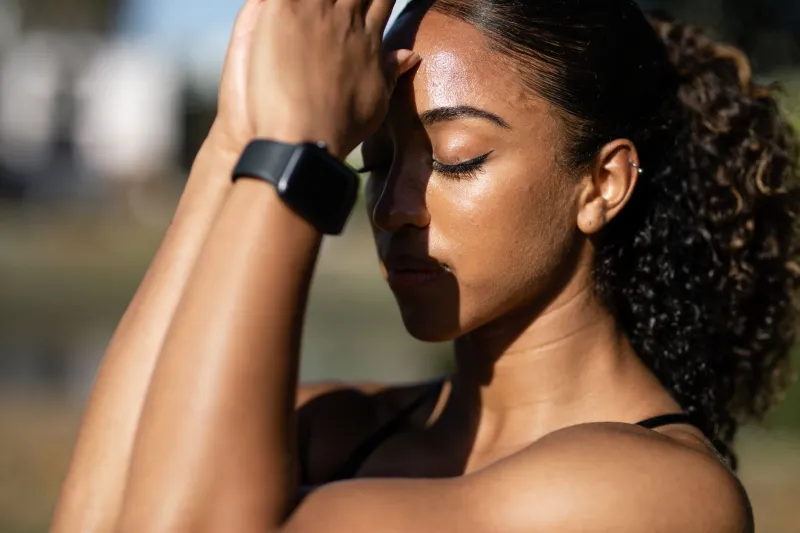
Scroll through TikTok for about ten minutes and you'll see it—Black girls doing Afrobeats cardio in their living rooms, Latinas lifting heavy in their garage gyms with Bad Bunny blasting, South Asian women posting about hiking trips and yoga flows that have nothing to do with weight loss. The content is joyful. Sweaty. Unfiltered. And completely unbothered by before-and-after transformation culture.
This isn't accidental. Gen Z women of color—roughly those born between 1997 and 2012—have come of age in a moment when body neutrality and intuitive movement are actual conversations happening in public spaces. They've watched older generations burn out chasing impossible fitness ideals, and many of them have consciously decided: not me.
Research backs this up. Studies on exercise motivation consistently show that when people move their bodies for intrinsic reasons—stress relief, community connection, genuine enjoyment—they're far more likely to maintain those habits long-term than people driven by weight-loss goals or appearance anxiety. Gen Z seems to have figured this out instinctively, or at least has had better cultural tools to get there.
Community as the New Gym Membership
One of the most powerful shifts happening right now isn't just about why young women of color are working out—it's about where and with whom.
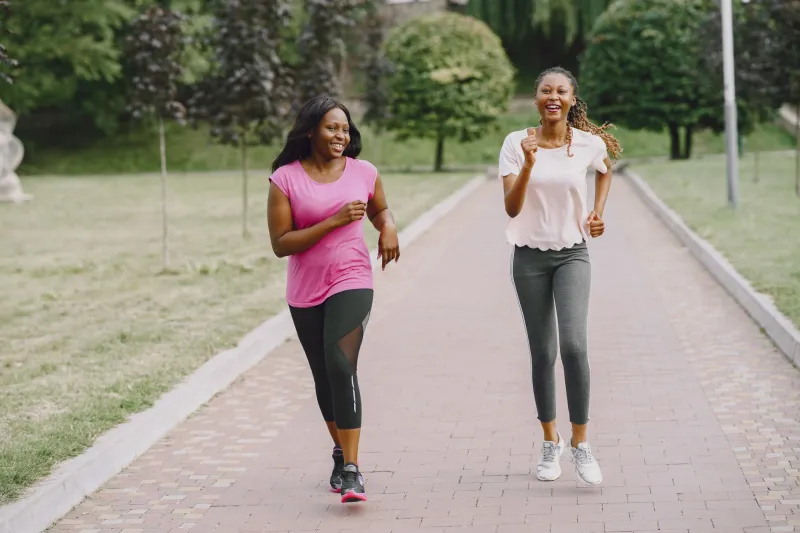
Community fitness spaces built by and for women of color are popping up across the country. Black Girl Run chapters in cities like Atlanta, Chicago, and Houston are creating run clubs where the point isn't pace—it's presence. Brown Girl Outdoor Adventures is getting women of color into hiking and camping spaces that have historically felt unwelcoming. Gyms and fitness studios owned by women of color are intentionally designing environments where diverse bodies aren't the exception; they're the whole point.
For Gen Z, community isn't just a nice add-on to fitness. It's the foundation. Growing up in the era of social media meant growing up hyper-aware of isolation and comparison culture. Many younger women are actively seeking out spaces where they can move their bodies alongside people who look like them, without the performative pressure of proving something.
That communal energy? It's healing in ways a solo treadmill session simply cannot replicate.
Breaking Up With "Earning" Your Food
Here's something that comes up over and over in Gen Z fitness content that would have been genuinely radical even a decade ago: the rejection of the idea that you have to earn food through exercise.
The "I worked out so I can eat this" mentality is so deeply embedded in diet culture that many of us don't even recognize it as a belief system—we just think it's common sense. But that transactional relationship between movement and eating is psychologically corrosive. It turns your body into a ledger, food into a reward or punishment, and exercise into a debt you're always trying to pay off.
Younger women of color are naming this dynamic out loud and refusing it. They're talking about food as nourishment that isn't contingent on performance. They're having honest conversations about how restriction and over-exercise show up in communities of color specifically—sometimes dressed up as health, sometimes as cultural pressure to maintain a certain look, sometimes as internalized anti-Blackness or colorism that says smaller is safer.
This is the kind of nuanced, culturally specific unpacking that previous generations rarely had language for. And it matters.
What Older Generations Can Take From This Reset
Let's be real—this isn't about dragging our mamas. The women who raised us did the best they could with what they were given, and many of them were navigating their own complicated relationships with bodies and health under far more hostile circumstances. Surviving in a world that constantly devalued their bodies sometimes meant controlling the only thing they could.
But if you're a millennial or Gen X woman of color watching this generational shift happen and feeling a little something—maybe wistfulness, maybe relief, maybe curiosity—that feeling is worth sitting with.
It's not too late to unlearn the idea that fitness is punishment. It's not too late to find movement that actually feels good in your body rather than like a sentence you're serving. It's not too late to stop chasing a version of yourself that diet culture invented and start showing up for the one that actually exists.
Some practical places to start:
Try moving without a goal. Not toward a number on a scale, not toward a race, not toward a transformation. Just move because it feels good today. A walk around the block counts. Dancing in your kitchen counts.
Find your people. Look up community fitness groups in your area that center women of color. If there aren't any, that's a gap you might be the person to fill.
Audit your fitness content. Who are you following? Does their content make you feel motivated and seen, or does it make you feel like you're falling short? Your feed is a choice.
Talk to the younger women in your life. Ask them what fitness means to them. You might learn something that shifts your whole perspective.
The Body That Moves for Joy Is a Radical Body
There's something quietly revolutionary about a young Black woman doing a Zumba class because it makes her laugh, or a Latina powerlifter who posts about her PRs with zero mention of her body's appearance, or a South Asian woman who starts hiking because she wants to see mountains—not because she wants to see a different number on a scale.
In a culture that has historically used health and fitness as tools of control and shame against women of color, choosing joy as your compass is not small. It is, in fact, everything.
Gen Z didn't invent body liberation. Black women, fat activists, and disability justice advocates have been doing that work for decades. But this generation is taking those ideas and weaving them into everyday fitness culture in ways that are visible, accessible, and contagious—and that's a gift to all of us.
Strong. Radiant. Moving on your own terms. That's always been the point.