Moving While Marginalized: Why Getting Strong Is One of the Most Radical Things a Woman of Color Can Do
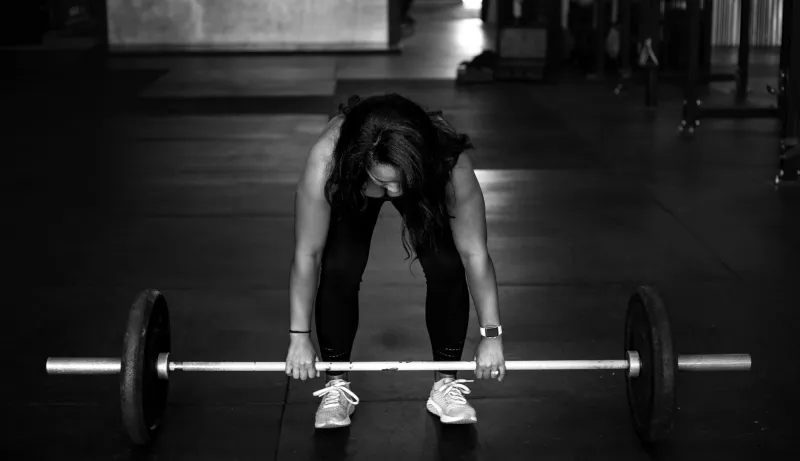
Let me tell you what a deadlift means to me.
It means my grandmother, who scrubbed floors and carried other people's burdens until her back gave out, never got to choose how she used her strength. It means my mother, who was told her whole life that her body was either too much or not enough, never once lifted a barbell for herself. And it means me — standing in a gym at 6 a.m., adding plates, choosing this, choosing myself — doing something that nobody in my lineage ever had the luxury of doing just for the joy and power of it.
That's not a workout. That's a reckoning.
The Body as a Battleground
Women of color have never had the privilege of experiencing their bodies as neutral territory. From the moment Black women's bodies were commodified under slavery to the ongoing medical gaslighting that dismisses our pain, from the hypersexualization of Latina bodies in media to the invisibilization of Indigenous and Asian women in mainstream health conversations — our bodies have been sites of political struggle long before we had any say in the matter.
The systems that were built around us — medical, legal, economic, cultural — have historically treated our bodies as things to be managed, controlled, or erased. Too loud. Too curvy. Too dark. Too foreign. Too angry. Too much, or not enough, depending on who was doing the measuring and what they needed from us at the time.
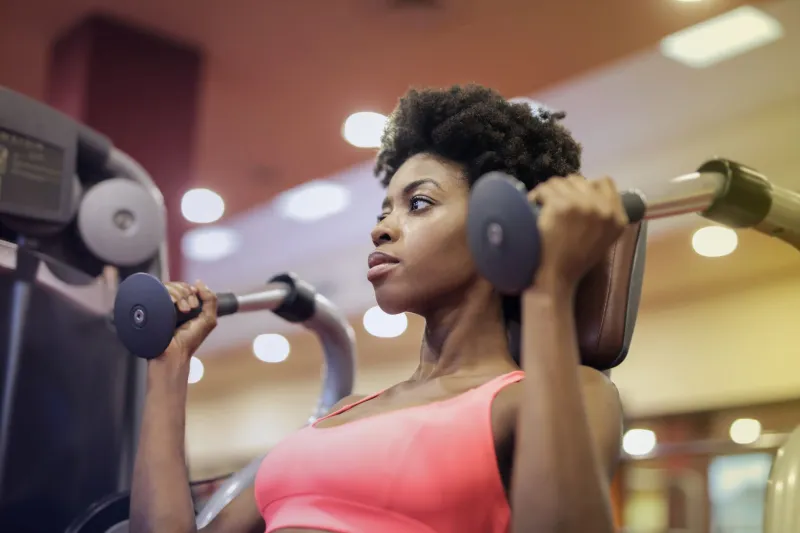
So when a woman of color walks into a weight room and decides, deliberately and without apology, to build herself stronger — that is not a neutral act. That is a declaration.
Sweat as Sovereignty
The concept of bodily autonomy is most often discussed in the context of reproductive rights, and rightfully so. But bodily sovereignty is broader than that. It encompasses every decision a person makes about what happens to, in, and with their body — including how they move it, how they fuel it, and how they define its worth.
For generations, women of color have had those decisions made for them. Doctors who dismissed symptoms. Employers who policed appearance. Beauty standards that demanded shrinking. Cultural messaging that equated thinness with discipline and discipline with worthiness. The cumulative message was clear: your body is not fully yours.
Fitness, at its most radical, pushes back on all of that.
When you train for strength rather than shrinkage, you are rejecting the premise that your value is tied to your size. When you run because it clears your mind rather than because you hate what you ate last night, you are dismantling the punishment framework that diet culture spent decades installing. When you rest without guilt because you understand recovery as part of the process, you are refusing the narrative that your worth is measured by your productivity.
These aren't small things. These are acts of rebellion dressed in workout clothes.
The Politics of Who Gets to Be "Fit"
Mainstream fitness culture has a very specific image of what a fit body looks like. She is usually thin, usually white, usually able-bodied, usually photographed in expensive activewear against a clean, well-lit backdrop. She is the aspirational standard that gyms, supplement brands, and fitness apps have spent billions of dollars selling.
That image has always been a political document.
It tells us who fitness is for. Who health is for. Whose body is worth celebrating, and whose is the "before" photo. When women of color are included in this imagery at all, it is often in a tokenizing way — present enough to signal inclusivity, not centered enough to actually shift the standard.
Choosing to pursue fitness on your own terms, outside of that framework, is a form of cultural resistance. It says: I define what health looks like in this body. I decide what strong means for me. I am not performing wellness for your validation — I am building something real, for myself, in this body that has survived more than you know.
Community as Resistance
One of the most powerful political dimensions of fitness for women of color is what happens when we do it together.
The rise of Black women's running clubs, Latina hiking groups, plus-size fitness communities, and BIPOC-centered yoga spaces isn't just a wellness trend. It's a direct response to the isolation and exclusion that mainstream fitness spaces have historically produced. These communities are saying: if the existing spaces won't hold us, we will build our own.
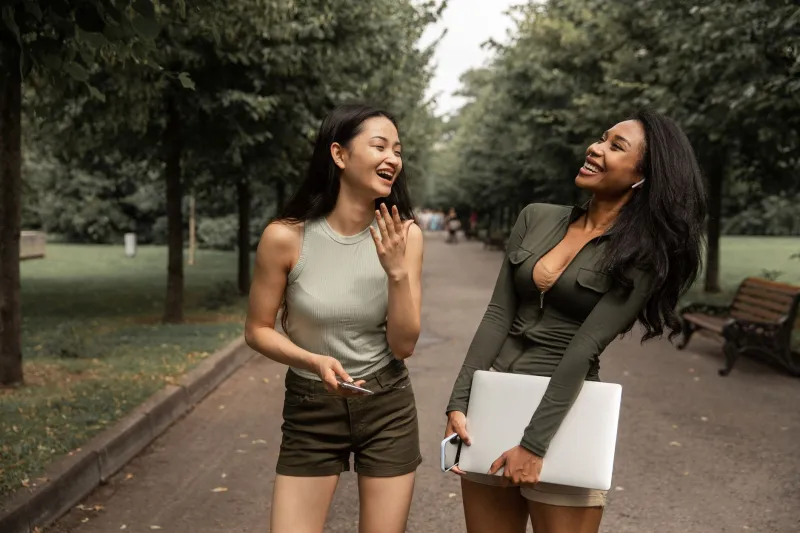
There is something profoundly subversive about a group of women of color taking up space in a park, on a trail, in a studio they built themselves — laughing, sweating, cheering each other on, refusing to be quiet or small or apologetic about the room they're occupying. That energy is contagious. And it is, in the truest sense of the word, political.
Because representation in fitness spaces changes what younger women believe is possible for their bodies. When a 12-year-old girl sees a woman who looks like her grandmother running a 5K, something shifts. The story she tells herself about what her body can do begins to expand.
That is generational work. That is the long game.
What It Means to Choose Yourself
None of this is to say that fitness is a cure for systemic oppression. Going to the gym will not dismantle structural racism. A strong deadlift will not fix the wage gap or close the maternal mortality disparity. We should be honest about that.
But there is something that happens inside a woman when she decides — consistently, deliberately, against every message that told her otherwise — that her body is worth caring for. That her strength is worth building. That she deserves to feel powerful in her own skin.
That internal shift matters. It changes how you walk into a room, how you advocate for yourself at a doctor's office, how you raise your children, how you show up in your community. It is not the whole revolution. But it is part of it.
So yes — sweat is political. Movement is resistance. And choosing to be strong, in a world that has spent centuries trying to make you feel small, is one of the most quietly radical things you can do.
Pick up the weight, sis. It's yours.