Walking Into the Room Like You Belong There: Reclaiming Fitness Spaces as a Woman of Color
Let's be honest about something that doesn't get talked about enough in mainstream fitness conversations: for a lot of women of color, just showing up is already the hardest part of the workout.
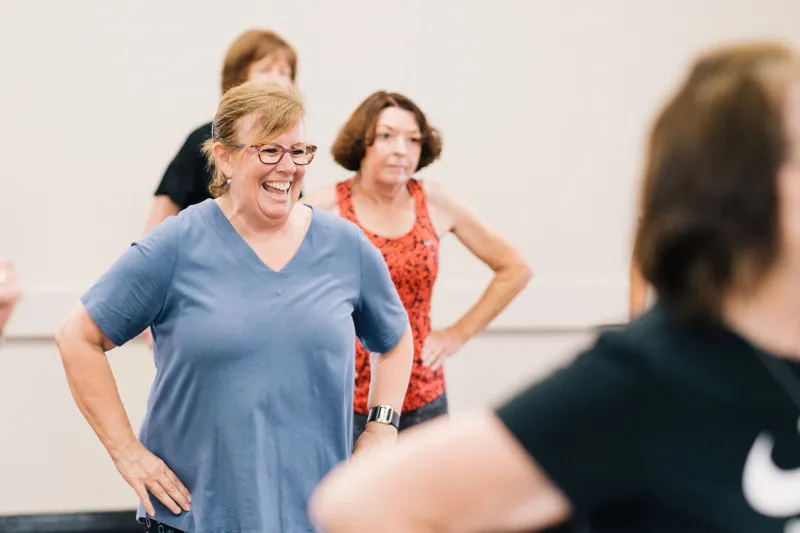
Not the burpees. Not the early alarm. Not even the sore legs from leg day. The hardest part is walking through the door of a gym, a yoga studio, or a wellness retreat and immediately scanning the room — only to find that nobody there looks remotely like you.
That moment lands differently when it happens every single time.
The Weight of Being the Only One
There's a specific kind of exhaustion that comes from existing in spaces that weren't designed with you in mind. Psychologists call it minority stress — the chronic, low-grade strain that builds up when you're constantly navigating environments where your identity is underrepresented, misunderstood, or outright ignored.
In fitness spaces, this can show up in ways that are subtle but deeply felt. It's the instructor who never quite makes eye contact with you. It's the wellness brand whose entire campaign features one body type, one skin tone, one aesthetic — and it's not yours. It's the yoga studio that talks endlessly about being a "community" but whose walls are covered in imagery that tells a very different story about who that community is actually for.
Over time, this kind of invisibility doesn't just sting — it shapes behavior. Research consistently shows that people are less likely to engage in physical activity when they don't see themselves reflected in the environments and marketing around fitness. For women of color, that absence of representation can quietly reinforce a message that these spaces — and the health benefits that come with them — simply aren't meant for them.
And that is a public health issue, not just a personal one.
It Goes Deeper Than Diversity Posters
In recent years, the fitness industry has made a lot of noise about inclusivity. Brands have diversified their ad campaigns. A handful of studios have started featuring instructors of color. The word "inclusive" has become practically inescapable in wellness marketing.
But visibility isn't the same thing as belonging, and a lot of women of color know the difference viscerally.
Belonging means your body type isn't treated as an anomaly in a group fitness class. It means the instructor modifies poses for real bodies, not just theoretical ones. It means the nutrition advice you're given doesn't default to assumptions rooted in white, middle-class eating culture. It means you don't have to brace yourself for a microaggression every time someone asks if they can touch your hair in the locker room.
Real inclusion is structural. It's in hiring practices, curriculum design, pricing, location, and language. A diversity poster on the wall doesn't change the fact that the front desk staff has never been trained on cultural competency, or that the class schedule is built entirely around a 9-to-5 schedule that doesn't account for the realities of working-class communities.
When the industry offers aesthetics without accountability, women of color are left doing the emotional labor of fitting themselves into spaces that were never actually reshaped to receive them.
Claiming Space When the Room Doesn't Invite You
None of this means you have to wait for the industry to catch up before you take up space. Because here's the thing — you are already worthy of every wellness benefit that fitness has to offer. Your body deserves care, strength, and joy right now, in this body, in this season.
So how do you move through spaces that weren't built for you without shrinking?
Find your anchor. Before you walk into any fitness environment, get clear on your reasons for being there. Not to prove anything. Not to perform health for anyone else's comfort. Your reasons. Whether that's stress relief, building strength, managing a chronic condition, or just getting some time that's entirely your own — let that be your north star.
Give yourself permission to be loud. Take the front row. Ask the instructor for modifications. Request music that reflects more than one culture. You are a paying customer and a full human being. Your preferences matter.
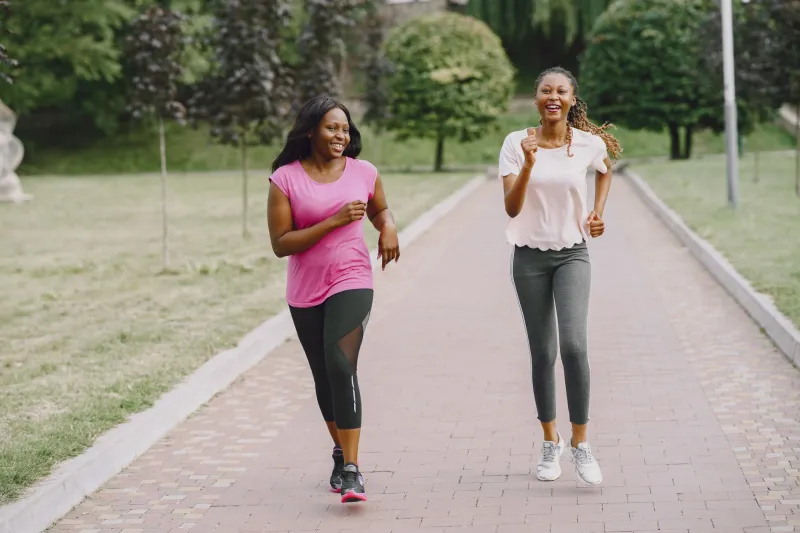
Bring someone with you. There's power in numbers, and there's power in community. When you walk into a space with a friend who looks like you, the emotional math shifts. You spend less energy managing discomfort and more energy actually working out.
Know when a space isn't worth your energy. Choosing yourself sometimes means choosing not to spend money and effort in environments that consistently make you feel like an afterthought. That's not quitting. That's discernment.
The Spaces Being Built for Us, By Us
While the mainstream fitness world catches up — slowly, imperfectly — something powerful is already happening on the margins. Women of color are building their own tables, and those tables are full.
POC-led fitness communities are popping up across the country, both online and in-person, and they're doing something radical: centering the full humanity of Black, Brown, Indigenous, and Asian women from the very beginning. Not as an afterthought. Not as a marketing strategy. As the entire foundation.
From Black Girl Fit clubs in Atlanta and Chicago to Latina-led outdoor running groups in Los Angeles and Houston, from social media communities built around fat-positive strength training to culturally grounded wellness retreats that weave in ancestral healing practices — these spaces are redefining what it looks and feels like to be well.
In these communities, you don't have to explain yourself. You don't have to code-switch your way through a warm-up. You don't have to wonder whether the instructor sees you. You just get to move.
And honestly? That freedom is its own kind of fitness.
You Were Never the Problem
If fitness spaces have ever made you feel like you were too much — too loud, too big, too unfamiliar, too everything — we want you to hear this clearly: that was never about you. That was about the limitations of those spaces.
You have always belonged in wellness. Your body has always deserved strength, care, and community. The industry is just finally starting to figure out what you already knew.
In the meantime, we'll keep building spaces that see you — fully, unapologetically, and without condition. Because that's what My Pretty Brown Fit has always been about.
Show up. Take up space. You've earned every inch of it.