Diversity Window Dressing: How Fitness Brands Profit Off Our Bodies Without Actually Investing in Us
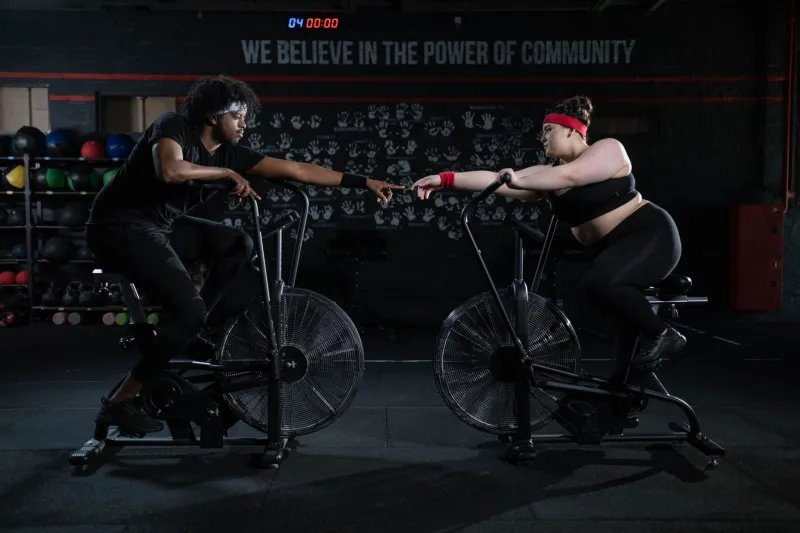
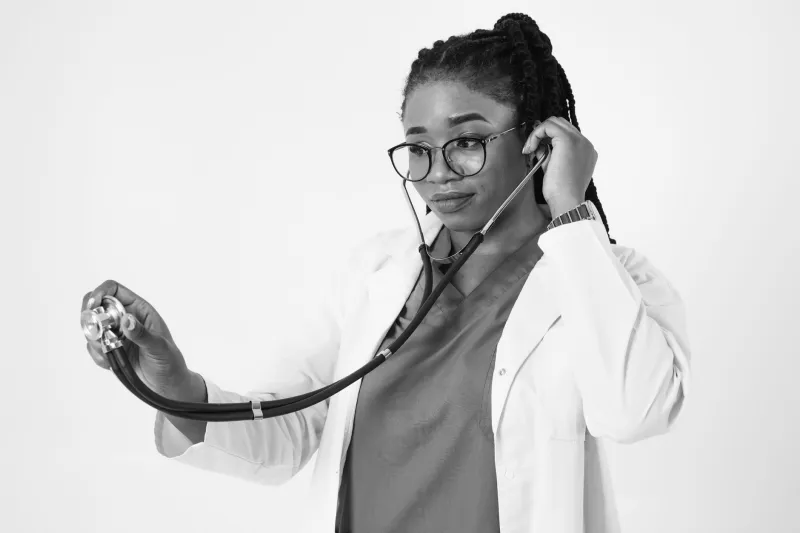
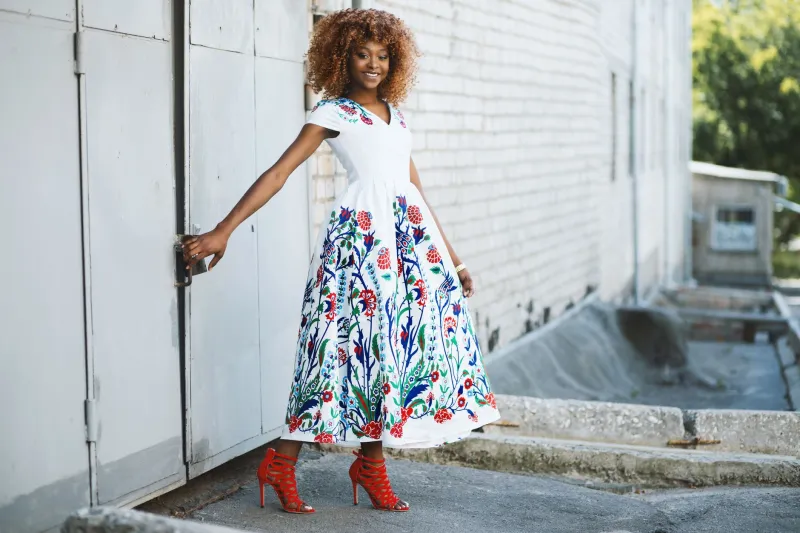
Scroll through any major fitness brand's Instagram right now. Chances are you'll see a Black woman mid-squat, a Latina runner mid-stride, maybe an Asian woman in warrior pose. The imagery is lush, intentional, and increasingly diverse. It also, in many cases, stops exactly there.
This is what we're calling the visibility tax — the cost women of color pay when brands use our likeness to expand their market reach while quietly failing to invest in the things that would make those brands actually useful to us. It's representation as revenue strategy. And it's time we named it out loud.
The Ad Is Not the Product
There's a meaningful difference between a brand that features diverse bodies in its marketing and a brand that builds products for diverse bodies. One is a design decision. The other is a business decision. And increasingly, fitness companies are making the first while avoiding the second.
Consider sports bras. Women with fuller busts — a demographic that skews heavily toward Black and Latina women — have been raising hell about inadequate support options for years. The market has responded slowly, reluctantly, and often with a premium price tag attached. Extended sizes, when they exist at all, frequently cost more and come in fewer colorways. The message, whether intentional or not, is pretty clear: you're an afterthought with a surcharge.
Or look at leggings. Fabrics that photograph beautifully on a size 4 model can be completely see-through on a size 14 body. Waistbands that stay put on one hip shape roll down on another. These aren't small complaints. They're signals that the design process never actually included the bodies being marketed to.
Where the Money Actually Goes
In 2021, a McKinsey report found that while many major corporations made high-profile diversity pledges following the racial justice movements of 2020, the actual budget allocation toward those commitments was often minimal and difficult to track. The fitness industry was no exception.
What we do know: the global plus-size activewear market is projected to hit over $100 billion by 2028. Women of color represent a disproportionately large share of that consumer base. And yet, the brands capturing those dollars are largely the same ones that have historically centered thin, white, able-bodied women in their product development.
The math is uncomfortable. Our purchasing power grows. Their product investment in us? Not so much.
The Performative Pivot
After 2020, a lot of fitness brands scrambled. Suddenly, everybody had a diversity statement. Instagram feeds got reshuffled. A few brands hired their first-ever Head of Inclusion. Some of it was genuine. A lot of it was PR.
Here's a simple test for telling the difference: look at the size range of their best-selling products. Look at whether their extended sizes are available in-store or only online. Look at their return policy for those sizes — because if you can't try it on before you buy it, returns become a hidden cost of shopping while fat. Look at who's in their executive leadership, their design team, their product testing groups.
Representation in the ad doesn't mean representation in the room where decisions are made. And the room where decisions are made is the one that actually matters.
The Accessibility Problem Nobody's Talking About
Beyond product design, there's the question of physical access. Premium fitness studios — the kind that flood your social media with Black girl magic branding — often charge $30 to $40 per class. Monthly memberships at boutique gyms can run $150 to $200 or more. These price points aren't neutral. In a country where the racial wealth gap means Black families hold roughly one-eighth the wealth of white families, charging premium prices for wellness while marketing aggressively to Black women is its own kind of contradiction.
And then there's location. Boutique fitness studios cluster in affluent, predominantly white neighborhoods. The communities where women of color are most concentrated are the ones most likely to be fitness deserts — areas with limited access to safe outdoor exercise spaces, affordable gyms, or fresh food.
You can't Instagram your way out of a structural problem.
What Accountability Actually Looks Like
We're not here to tell you to stop buying from brands you love. But we are here to say: you have more power than they want you to think.
Ask questions publicly. Tag brands when their sizing fails you. Support Black-owned activewear companies — brands like Girl Unfiltered, Outdoor Afro, and Rebdolls who are building with us, not just marketing to us. Read the fine print on diversity pledges and ask where the money is actually going.
And maybe most importantly — stop letting a brand's Instagram feed tell you whether you belong in fitness. You belonged before they put you in the ad. You'll belong long after the campaign ends.
The visibility tax is real. But so is our collective refusal to keep paying it.